The Backseat Business Model: What Your Car's App Store Is Really Doing
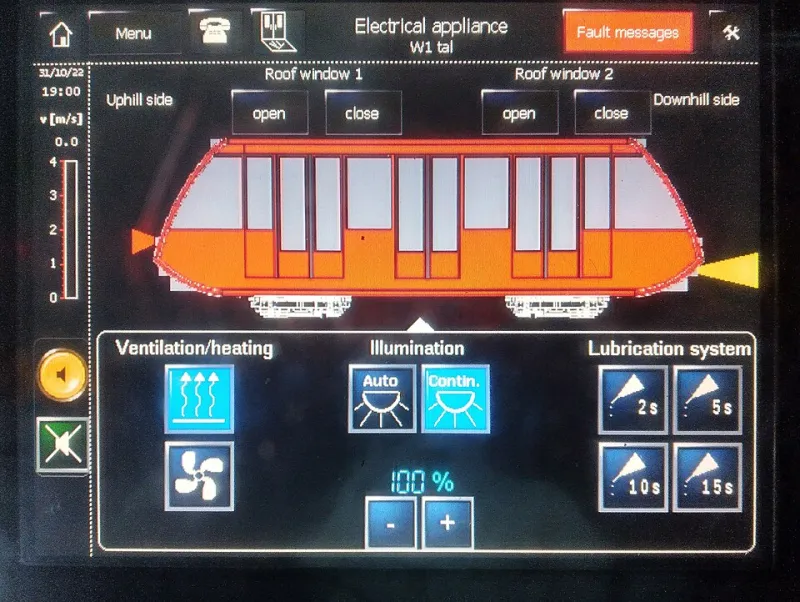
Photo: Yuri Samoylov, CC BY-SA 4.0, via Wikimedia Commons
A few years back, renting a car meant figuring out where the headlight switch was. Now it means figuring out why the center screen wants me to sign in.
The dashboard had an app grid. There was a streaming tile, a navigation tile, a weather tile, and a tile for something I never identified. A notification badge — a notification badge — on my rental car's home screen.
That's the moment the shift became obvious. The vehicle stopped being a machine with a screen attached and became a platform with wheels attached, and platforms come with everything else: stores, subscriptions, permission prompts, data collection, and terms of service nobody reads.
CarPlay and Android Auto were the opening act
Projection systems got drivers comfortable with third-party software in the dashboard. Your phone's apps, mirrored onto a bigger screen, controlled with a bigger touch target. Simple, and mostly harmless because the phone was still doing the work.
The sequel is different. Automakers have been building native app ecosystems that run on the car's own hardware, tied to the car's own account, billed to the car's own payment method. Tesla got there first and made it look normal. Ford, GM, Rivian, and others have followed with in-house software stacks and digital storefronts. Meanwhile GM spent a couple of years publicly flirting with dropping CarPlay entirely before walking some of that back — a useful reminder that the platform decisions are being made in boardrooms, not in your driveway.
Subscriptions under the seat
The feature subscription is now an established pattern. Heated seats, remote start, advanced driver assistance, live traffic, streaming apps that only work when the vehicle is parked. Some of these are honest ongoing services that cost real money to run. Others are hardware you already bought, gated behind a monthly fee.
The structure to watch for is the trial tied to the vehicle identification number rather than to you. Buy a used car and the free period may already be spent. Sell one and the next owner inherits whatever you left active. And a surprising share of these subscriptions renew quietly because the reminder lands in a car app you open four times a year.
The permission prompts you never saw
In-car apps ask for location, microphone, contacts, and calendar access — the same categories your phone does. The difference is that the car already knows things your phone doesn't: how hard you brake, how fast you corner, how many miles you drive, tire pressure, battery state, whether you were wearing a seatbelt.
Modern vehicles generate a substantial telematics stream, and how that data gets shared depends on a patchwork of state privacy laws, manufacturer policy, and whatever you agreed to during the delivery walkthrough. Some states have tightened rules on selling driving data to insurers. Others haven't. A handful of manufacturers have been publicly criticized for sharing driving behavior with data brokers, and some have since narrowed those programs — which is the polite way of saying the default was broader than most drivers assumed.
A curb-side audit worth running
You don't need to become a privacy researcher. Fifteen minutes in a parking spot covers most of it:
- Open the infotainment settings and list the installed apps. Delete anything you don't recognize. Rental and loaner cars especially.
- Review per-app permissions. Turn off microphone, contacts, and calendar access for anything that doesn't obviously need it. Navigation needs location; a podcast app doesn't need your address book.
- Check the connected-services menu. Find the trials, note the end dates, and cancel what you won't keep.
- Look for the data-sharing toggle. Most manufacturers have one. Many ship it enabled.
- Sign out of personal accounts before selling or returning the car. Factory reset the infotainment system, then confirm the account is actually gone.
- Read the privacy notice once. Not cover to cover — just the section listing categories of data shared with third parties.
The policy question underneath
There's a real debate forming here, and it isn't about whether screens belong in cars. They do. The question is who owns the software layer and who answers for it.
Right-to-repair advocates argue that locking features behind manufacturer servers limits what owners can do with hardware they purchased. Privacy groups want driving data treated like the sensitive category it clearly is. Safety regulators are watching whether app-heavy dashboards add distraction. And consumer protection agencies have started asking whether subscription terms for vehicle features are disclosed clearly enough at the point of sale.
None of that is settled. What is settled: the dashboard is now another screen in your life, with the same storage, permission, and subscription problems as the one in your pocket — plus a VIN attached.
Give it the same audit you'd give your phone. It's a car. It shouldn't need a spring cleaning.