Scroll Past, Never Delete: What Your Hidden App Folders Say About You
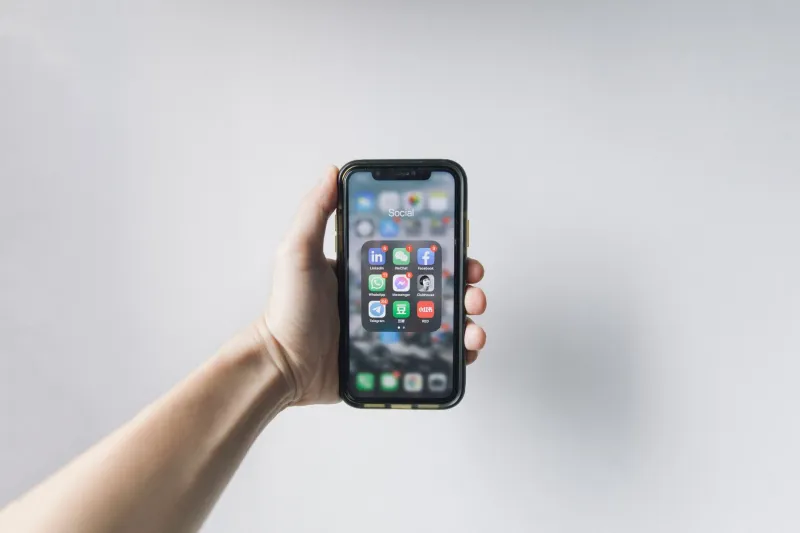
Somewhere on your phone — probably tucked inside a folder with an overly optimistic name like "Productivity" or "Health Goals" — there's an app you downloaded with the best intentions and never opened again. Maybe it's a language-learning tool you grabbed before a trip to Spain three years ago. Maybe it's a budgeting app you set up during a particularly motivated Sunday afternoon. Whatever it is, it's still there. Waiting.
This isn't a you problem. It's basically a universal smartphone experience. But the fact that we archive instead of delete, that we hide instead of purge, says something interesting about how modern users actually relate to their devices.
The Psychology of the App Archive
Deleting an app feels more permanent than it actually is. Rationally, we know that most apps can be re-downloaded in about thirty seconds from the App Store or Google Play. But emotionally? Hitting that little "X" feels like closing a door. Admitting something didn't work out. And humans, as a rule, are not great at admitting that.
Psychologists call this kind of behavior "loss aversion" — the tendency to feel the pain of losing something more acutely than the pleasure of gaining something equivalent. Even if an app has delivered zero value, the theoretical future value it might deliver is enough to keep it installed. You might go back to Duolingo. You might finally use that meditation app. You might need that QR code scanner you downloaded in 2021 even though your camera does it natively now.
Spoiler: you probably won't. But the possibility is enough.
Hidden Folders vs. App Libraries: Not the Same Thing
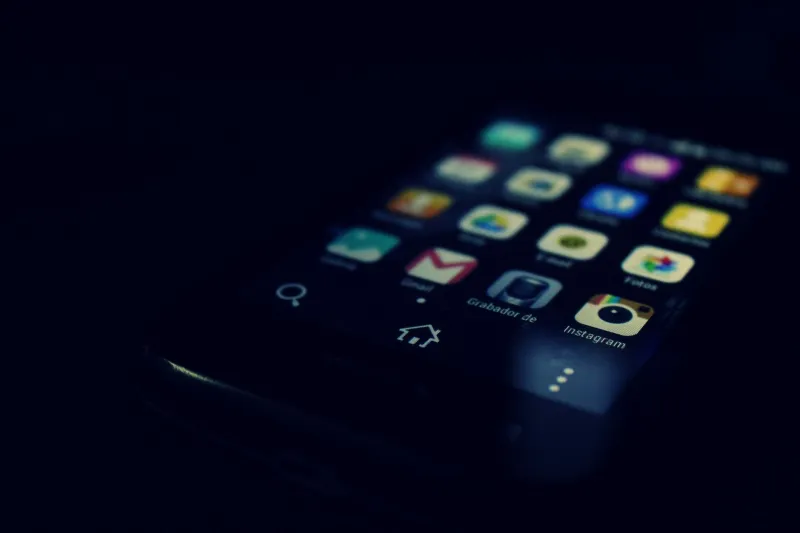
Both Apple and Google have leaned into the reality that people accumulate apps like they accumulate junk mail. iOS introduced the App Library back in 2020 — a dedicated space that automatically categorizes every app on your phone, including the ones you've banished off your main screens. Android has had similar drawer functionality for years.
The design intent was smart: give users a way to keep their home screens clean without forcing them to make hard decisions about deletion. But in practice, these features have also become the world's most sophisticated procrastination tools. Instead of deciding whether an app deserves to stay, you just... let it sink. Out of sight, out of mind, but very much still on your device.
There's a meaningful difference, though, between apps that live in the library because you use them occasionally and apps that live there because you can't bring yourself to let go. A tax prep app that only comes out in April? Totally reasonable. A fitness tracking app from a gym membership you canceled during the pandemic? That's a digital ghost.
The Nostalgia Factor Is Real
Some apps stick around not because of future potential but because of past meaning. The photo-editing app you used when you first got into photography. The game you played obsessively on a long flight. The social platform where you connected with people you've since drifted from. Deleting these feels less like decluttering and more like erasing a chapter.
This is especially true for apps tied to specific life moments. A travel app from a trip you'll never forget. A pregnancy tracking tool. A concert ticketing app from a show that meant something. These aren't really apps anymore — they're artifacts. And that's worth acknowledging, even if it doesn't mean you should keep them.
The honest question to ask yourself: are you keeping this because it still serves you, or because it represents a version of yourself you're not ready to close the book on?
When "I Might Use This" Is Actually True
Not every dusty app deserves the boot. There's a real category of tools that genuinely earn their place on the bench — the ones you don't need often but really need when you do.
Think about things like car rental apps, airline apps for carriers you fly occasionally, emergency roadside assistance tools, or government service apps. These can sit untouched for months and then become absolutely essential. Keeping them isn't sentimentality — it's smart preparation.
A useful filter: if you'd have to re-download and re-log-in to an app in a stressful moment, it's probably worth keeping installed. If forgetting it existed entirely would have zero impact on your life, it's a candidate for deletion.
A Practical Framework for Cleaning House
Rather than a scorched-earth delete-everything session (which almost nobody actually follows through on), try a tiered approach:
The six-month rule. If you haven't opened an app in six months and it's not in your "emergency bench" category, it goes. No negotiations. The App Store will still be there if you have a change of heart.
The login test. If you can't remember your username or password and you're not particularly motivated to figure it out, that's your gut telling you something. Trust it.
The replacement check. A lot of apps survive on phones even after their function has been absorbed by something else. If your phone's native camera does what that standalone scanner app did, the standalone app has earned its deletion.
The honest nostalgia audit. For apps you're keeping purely for sentimental reasons, ask whether a screenshot of the app icon — or even just the memory — would serve the same emotional purpose. Usually it would.
What Your App Folders Actually Cost You
This isn't just a storage conversation, though storage does matter — especially on devices without expandable memory. The real cost is cognitive. Every app on your phone is a low-level background thought. A tiny, unresolved decision. Multiply that by dozens of forgotten downloads and you've got a surprising amount of mental static.
There's also a privacy angle worth considering. Apps you haven't touched in years may still have permissions you granted back when you first installed them — access to your location, contacts, or camera. An app you never open is still an app that potentially still pings servers, collects data, and holds permissions it no longer needs to hold.
The Real Reason We Don't Delete
At the end of the day, the app graveyard on your phone isn't really about apps. It's about identity, optimism, and the gap between who we are and who we imagine we might become. Every undeleted language app is a small bet on a future self who finally commits to learning Portuguese. Every forgotten workout tracker is a quiet hope that this time will be different.
That's not a flaw. That's just being human. But there's something genuinely freeing about closing a few of those tabs — not just on your browser, but on your home screen too. Your phone doesn't need to be a museum of every version of yourself you've ever aspired to be. It can just be a tool that works for who you actually are right now.
And honestly? That version of you is probably doing just fine.