Downloaded with Good Intentions: The Psychology Behind Apps You Install and Never Open
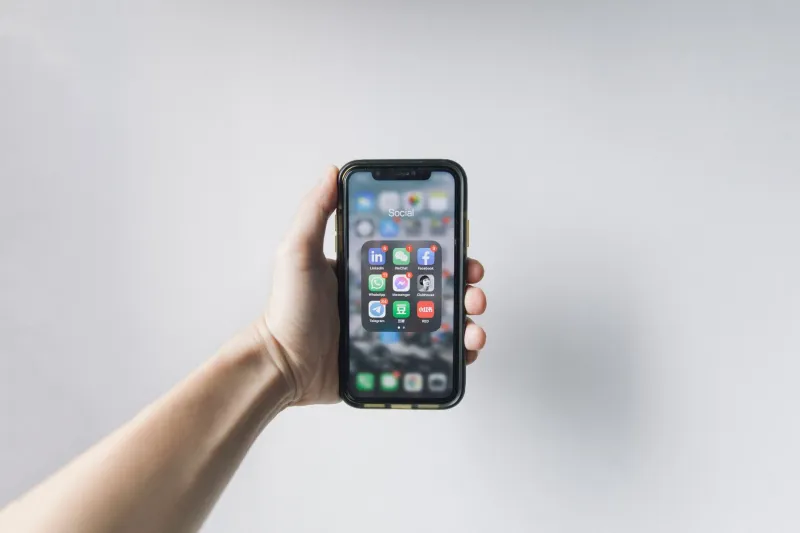
Take a slow scroll through your phone right now. Not the apps you use every day — the ones tucked into folders, sitting on page three of your home screen, or buried in a category called something vague like "Tools." Odds are, at least a handful of those apps have never been opened more than twice. Some have never been opened at all.
This isn't a storage problem. It's a psychology problem. And if you've ever downloaded an app with genuine enthusiasm only to forget it existed three days later, you're in very good company.
The Optimistic Download: How It Starts
There's a specific kind of hope that lives inside the act of downloading an app. It's the same feeling you get when you buy a new journal or sign up for a gym membership in January — the belief that the tool itself is going to do some of the heavy lifting. Psychologists sometimes call this "identity-based motivation." You're not just downloading a budgeting app; you're becoming the kind of person who manages their money better.
The problem is that the download feels like progress. Your brain registers it as an achievement, releasing a small hit of dopamine before you've done a single thing with the app. That neurological reward means you've already gotten something out of the experience — which makes it much easier to close the app, set it aside, and never return.
App stores, especially the ones built by Apple and Google, are exceptionally good at feeding this cycle. "App of the Day" features, curated collections, trending lists — these aren't just editorial decisions. They're discovery engines designed to surface apps at the exact moment you feel like you might need them. The algorithm knows you've been searching for meal planning content. It knows you browsed a travel subreddit last week. It serves you an app that feels custom-made for a version of your life you're quietly aspiring to.
Why the Gap Between Discovery and Usage Is Wider Than You Think
Industry data has consistently shown that a huge percentage of downloaded apps get used once and abandoned. Some estimates put the 30-day retention rate for the average app somewhere south of 30 percent. That means roughly seven out of every ten apps people download are effectively orphaned within a month.
What makes this especially interesting is that users rarely download apps they think they won't use. The intent is real. The problem is that the moment of discovery — scrolling through an app store at 11pm, seeing a slick screenshot and a glowing four-star rating — almost never lines up with the moment in your actual life when that app would be useful.
You download the meditation app during a stressful commute, but you never actually sit down to meditate. You grab the language-learning app the week before a trip to Spain, but by the time you land, you're too tired to practice. The app made perfect sense in the context of discovering it. It just didn't survive contact with your real daily routine.
App Stores Are Built to Fuel This Behavior
Here's something worth sitting with: app stores are not neutral discovery tools. They're commercial platforms with strong financial incentives to get you to download things. Featured placements cost money. Ranking algorithms reward apps that drive installs, not necessarily apps that people actually stick with.
That means the apps surfaced most prominently are often the ones with the best marketing, the most aggressive install-driving strategies, and the slickest onboarding flows — not necessarily the ones that will genuinely improve your life. You're being sold a feeling more than a function.
This isn't a conspiracy. It's just how the economics work. But understanding it changes how you relate to the urge to download something new. That itch you feel when you see an interesting app isn't purely organic curiosity. It's at least partly manufactured.
The Hidden Cost of a Cluttered Home Screen
Beyond the psychological weight of unmet intentions, there are real practical costs to accumulating apps you never use. Most apps — even ones sitting dormant — are requesting background permissions, occasionally pinging for updates, and quietly consuming storage. More importantly, every unused app is a small cognitive tax every time you look at your home screen.
Research on decision fatigue suggests that even low-stakes choices — like glancing at a screen full of icons and deciding which one to tap — can chip away at your mental bandwidth over time. A home screen full of apps you vaguely meant to try is a home screen that's doing quiet, constant work against your focus.
Breaking the Cycle Without Going Full Minimalist
You don't have to delete everything and live with three apps. But there are a few straightforward shifts that can help you stop adding to the graveyard.
Install with friction, not impulse. When you feel the urge to download something, add it to a note or a wishlist instead. Give it 48 hours. If you still want it after two days, download it. Most of the time, you won't think about it again.
Ask "when, specifically" before you tap install. Not "will I use this someday" — that answer is always yes. Ask yourself: when, this week, will I actually open this app and do something with it? If you can't name a specific moment, that's a useful signal.
Do a monthly install audit. Once a month, check your recently downloaded apps. Anything you haven't opened in 30 days gets deleted, no negotiation. It takes five minutes and it's genuinely clarifying.
Stop treating downloads as free. They're not free. They cost attention, storage, background data, and a little piece of your home screen real estate. Treating each install like a small commitment — rather than a zero-cost experiment — changes how quickly you reach for the download button.
Separate discovery from downloading. You can screenshot an app, save the name, or add it to a note without installing it. Building a habit of noting rather than immediately downloading breaks the dopamine loop while still letting you explore what's out there.
The Bigger Picture
Your phone's home screen is a reflection of your intentions — both the ones you've followed through on and the ones that quietly faded. There's nothing wrong with having ambitions. But when the gap between what you download and what you actually do keeps widening, it's worth asking whether the app discovery process is serving you, or whether you're serving it.
The apps you actually use every day? Those earned their spot. The ones sitting untouched in a folder called "Health" since February? Those are optimistic downloads waiting for a routine that may never come.
And that's okay — as long as you're honest about it. Because the most useful thing you can do with an app you'll never open is delete it, and reclaim just a little bit of the headspace that optimistic download quietly borrowed.